Roof Cleaning in Fuquay-Varina, NC: How Often Should You Clean Your Roof in North Carolina’s Climate?
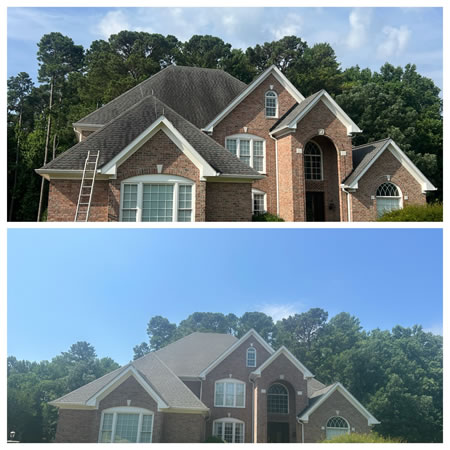
Your roof faces heat, humidity, and pollen that never seem to quit. That mix invites black algae streaks, moss, and grime that shorten a roof’s life and drag down curb appeal. If you want results that protect shingles, choose professional roof cleaning that uses a gentle soft wash process designed for North Carolina homes.
So how often should you clean your roof here in Fuquay-Varina? The right schedule depends on your roof type, shade, trees, and how much sun your home gets through the seasons. Let’s break it down in plain language so you can plan with confidence.
What North Carolina Weather Does To Your Roof
Fuquay-Varina sits in a warm, humid pocket of the Triangle. Summers are hot and sticky. Winters are mild but damp. That combination is perfect for algae and moss. Spring adds a blanket of pine pollen that sticks to shingles and feeds organic growth. Late summer storms can send leaves and debris up onto the roof and into valleys.
- Heat and humidity help algae spread into dark streaks that hold moisture.
- Pollen and dust settle on shingles and become food for growth.
- Shade from oaks and pines keeps areas damp, which encourages moss and lichen.
- Wind-driven rain and storms push debris into roof valleys and around vents.
Neighborhoods with big, mature trees like Bentwinds or South Lakes see more shade and debris than newer, open areas. Homes closer to creeks or ponds may notice morning dew lingering longer on north-facing slopes. All of this nudges your cleaning timeline earlier.
How Often Should You Clean Your Roof in Fuquay-Varina?
Most asphalt shingle roofs in our area benefit from a soft wash every 18 to 36 months. Homes with full sun and light tree cover often land on the longer end. Heavily shaded roofs, or homes tucked under tall pines or oaks, lean toward the shorter end.
Metal roofs shed growth faster, so many can go 2 to 3 years between cleanings. Tile and slate vary by shade and surface texture, but the goal is the same: remove organic growth before it takes root. The safest plan is a quick annual roof check from a pro and a cleaning when early streaks appear. Treat black streaks early. Waiting until you see heavy moss adds stress and moisture that can speed aging.
Here’s a simple, local-friendly rhythm many Fuquay-Varina homeowners follow:
- Late spring: Evaluate after pollen season. If streaks are visible or gutters overflow with grit and debris, schedule a soft wash.
- Mid to late summer: Recheck shaded slopes after peak humidity. Catch trouble spots before they spread.
- Late fall: After leaves drop, make sure valleys and gutters are clear so winter moisture can drain.
Remember, every roof ages differently. If your home sits under dense canopy near Lake Wheeler or backs to woods toward Willow Spring, plan on a shorter interval. Open, breezy lots with full sun can stretch longer safely.
Why Soft Washing Beats High-Pressure Cleaning
Soft washing pairs eco-conscious detergents with low pressure to lift and rinse away growth. It protects the granules on asphalt shingles and reaches into textured surfaces where algae hides. High pressure can strip granules, scar shingles, and force water beneath laps and flashing.
Never use high pressure on shingles. Even if the roof looks clean at first, the damage can shorten its life. A professional soft wash removes stains and the root cause, which helps the roof stay clean longer. It also supports energy efficiency by removing dark streaks that absorb heat.
If you want an overall refresh, pair your roof visit with residential pressure washing for siding, walkways, and entry steps. You get a cleaner envelope and prevent fresh dirt from washing back onto your roof.
Local Factors That Change Your Timeline
Four things shape your roof cleaning schedule in Fuquay-Varina and nearby towns like Holly Springs and Apex:
Protect your roof warranty. Many shingle manufacturers warn against high pressure and harsh chemicals. Soft washing aligns with their care guidance, which helps you avoid issues during a claim.
Shade and tree cover: Dense shade keeps roof surfaces cooler and damp longer. That speeds growth and usually means cleaning every 18 to 24 months.
Roof material and age: Older shingles have looser granules, which grab more dirt. Metal sheds faster, but exposed fasteners and seams still collect growth. Tile and slate benefit from gentle, thorough rinsing so moisture does not linger in pores.
Orientation and airflow: North and east slopes dry more slowly. Roofs that face steady sun and have good airflow between homes usually stay cleaner.
Debris load: Overhanging branches, pine needles, and seed pods trap moisture on the roof. Trapped moisture sets the table for algae and moss.
Clear Signs It’s Time To Clean Now
You do not need to climb a ladder to spot the red flags. A quick look from the street often tells the story.
- Black or dark green streaks that run from the ridge down the slope
- Green clumps or fuzzy patches around vents, skylights, and in roof valleys
- Granules collecting at downspout ends, along with clogged or overflowing gutters
- Shingles that look damp long after sunny weather returns
- Visible debris piles after a windstorm or heavy rain
If you notice two or more of these, you are past due. A timely soft wash can reverse stains and help the roof shed water the way it should.
A Simple, Safe Maintenance Schedule For Your Home
You want a plan that fits your roof, not a one-size-fits-all rule. Here is a practical approach that keeps things easy and predictable without overdoing it.
Step 1: Annual professional evaluation. A short roof check finds early streaks on shaded planes, clogged valleys, and problem debris before it spreads.
Step 2: Clean every 18 to 36 months based on shade and tree cover. Homes near mature oaks or pines usually benefit from the shorter end. Newer, sunnier subdivisions trend toward the longer end.
Step 3: Coordinate timing with our climate. Book service before peak humidity or soon after heavy pollen so the roof stays clean longer into summer.
Want to read more on seasonal care? Browse our local pressure washing tips for roof, siding, and concrete care ideas from the Triangle.
Why Timing Matters For Curb Appeal And Lifespan
A clean roof helps your whole home look well cared for. That matters for neighborhood standards and when listing a home. More than looks, removing growth keeps moisture from lingering against shingles and around flashing where leaks can start.
Think of it like dental care. You can wait until there is a big problem, or you can keep simple, regular cleanings that are faster and gentler. Roofs respond the same way. Small, steady steps win.
Another plus is energy performance. Dark streaks absorb sunlight. Clearing them can reduce heat load on the attic deck during sunny afternoons. It’s not a substitute for insulation or ventilation, but it is a helpful assist during a Triangle summer.
Soft Wash Roof Cleaning, Explained
Soft washing uses low pressure and a targeted cleaning mix to break down organic growth and rinse it away. The process lifts the film that holds dirt and pollen to the surface. Because the pressure is gentle, shingles keep their protective granules and the cleaning reaches into textured surfaces and lap joints.
With the right technique, results are even and long lasting. The goal is to restore the roof’s natural color and help it shed water cleanly. That is why soft wash is the industry’s preferred method for asphalt shingles and many delicate materials.
A Local Example Timeline
Picture two Fuquay-Varina homes. One sits on a corner lot with full sun from midday to dusk and only one small maple out front. The other is on a cul-de-sac ringed by tall pines with filtered light most of the day.
The sunny corner lot might go close to three years between cleanings and stay spot-free. The shaded cul-de-sac roof will likely need service every 18 to 24 months, with an extra check after leaf drop. Both homes benefit from the same soft wash method, only the timing changes.
Plan Your Next Steps With Matthew's Exterior Services LLC
Ready to map out a roof maintenance schedule that fits your home? Start by reserving a visit for soft wash roof cleaning, then set a reminder for a quick annual check the same month next year. That simple habit keeps buildup under control and makes your roof easier to maintain for years to come.
For a full exterior refresh, coordinate your visit with a same-day house wash or driveway cleaning. Spreading services through the year is fine too. The key is staying consistent so stains never get a foothold.
If you are comparing providers, look for the method they use, how they protect landscaping, and whether they offer before-and-after photos. You want a team that treats your home like their own and stands behind the work.
Get Started Today
For reliable scheduling, clear communication, and workmanship you can trust, call Matthew's Exterior Services LLC at 984-330-7906. You can also secure your spot online and schedule roof cleaning for a date that fits your calendar. If you want a quick overview of services, start at roof cleaning Fuquay-Varina, NC and explore the options that fit your home.
Restore Your Curb Appeal Today WithOur Fuquay-Varina Pressure Washing Pros